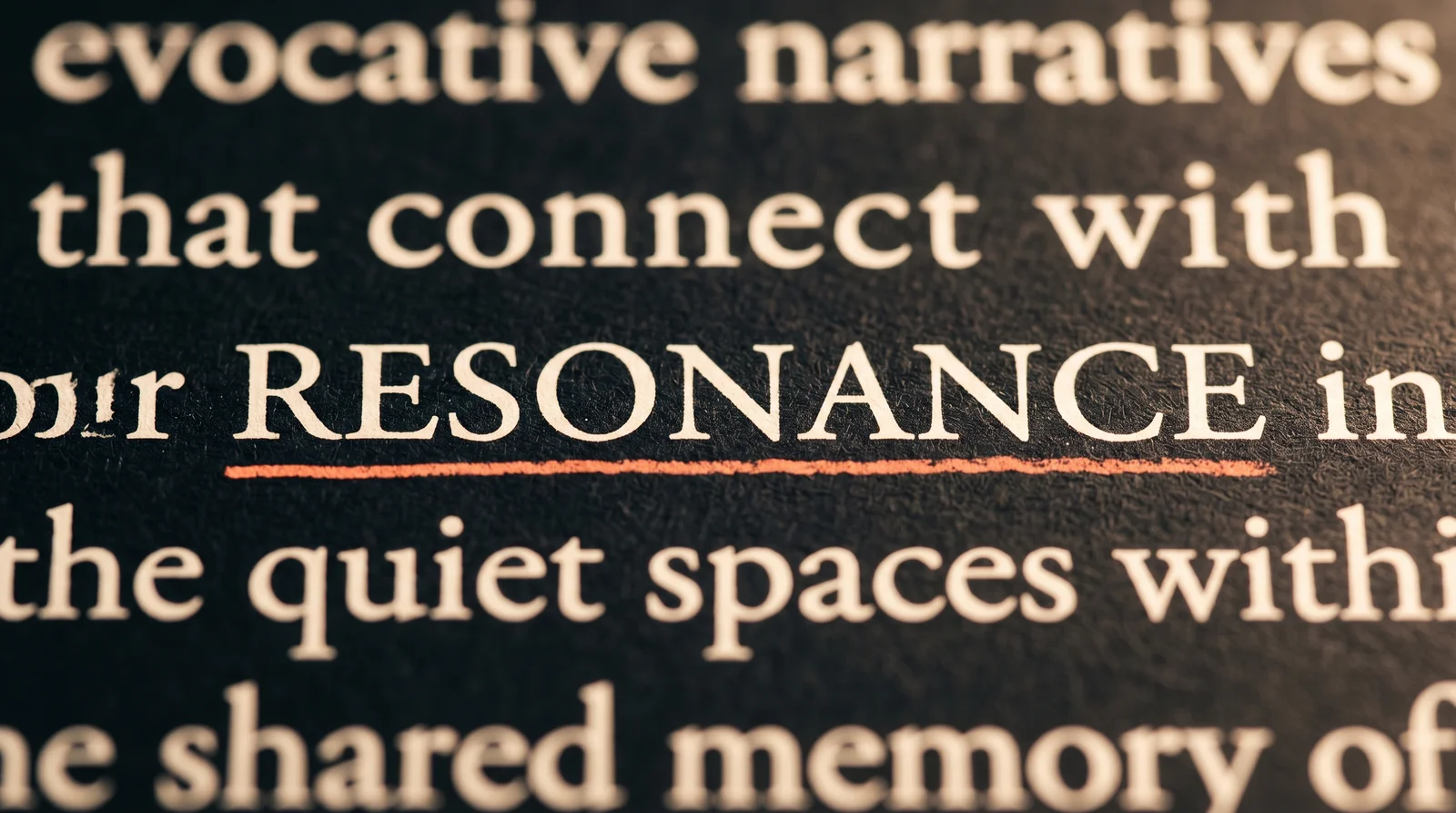
Why AI-Generated Markdown Deserves Better Typography
Most markdown apps were built for software docs. AI output is a different shape — longer, mixed prose and code. Reading it well needs different rules.
Most markdown apps were built for software documentation: API references, README files, library docs. The typography reflects that — narrow line lengths, monospace defaults near code blocks, minimal vertical rhythm. It works for technical reference material that you scan, search, and close.
AI-generated markdown is a different shape. It's longer-form. It mixes prose and code and math in a single document. It often resembles an essay more than a reference. Reading it well needs the typographic rules essays have used for a century: comfortable line length, generous leading, a proper hierarchy between headings, and a body face designed for sustained reading.
What changes when you tune for reading
Line length. 60–75 characters per line. Wider feels cramped on a 1440 monitor; narrower feels jagged. Most markdown apps default to whatever the viewport gives them, which means a 27-inch screen gets 200-character lines and nobody can read them.
Leading. 1.6–1.8 line-height on the body, tighter on the headings. Generous, but not loose. This is the single change that separates "tolerable" from "effortless" for a 3000-word read.
Hierarchy. H1 to H4 in geometric ratios, not arbitrary pixel values. The size jump between levels should be visible at a glance, so a scan through the page communicates structure before you read a word.
Body face. A face optimized for screens, not transplanted from print. Inter, Source Sans, IBM Plex are all defensible. Prism MD uses Inter for prose, JetBrains Mono for code, and Bricolage Grotesque for the few moments — H1s, big numbers — that call for a display face.
See it for yourself
Free to start — no credit card.
Why this matters for AI output specifically
Language models produce long structured documents at a rate that's historically unusual. Five years ago, you wrote (or had a colleague write) a 2000-word document a few times a month. Now you might receive ten in a day — design briefs from Claude, runbooks from ChatGPT, research summaries from Gemini.
The economics of reading change with the volume. When every document is precious, you tolerate ugly rendering. When you're reading ten AI-generated documents before lunch, ugly rendering is a tax you stop being willing to pay. Tools optimized for the new volume — not for the occasional README — are going to win the next phase.
What we're trying to build
Prism MD is one bet on that idea. A focused reader, brand-tuned typography, no chat panel, no sidebar competing for attention. Drop a document in and the document is what you see.
Related reading
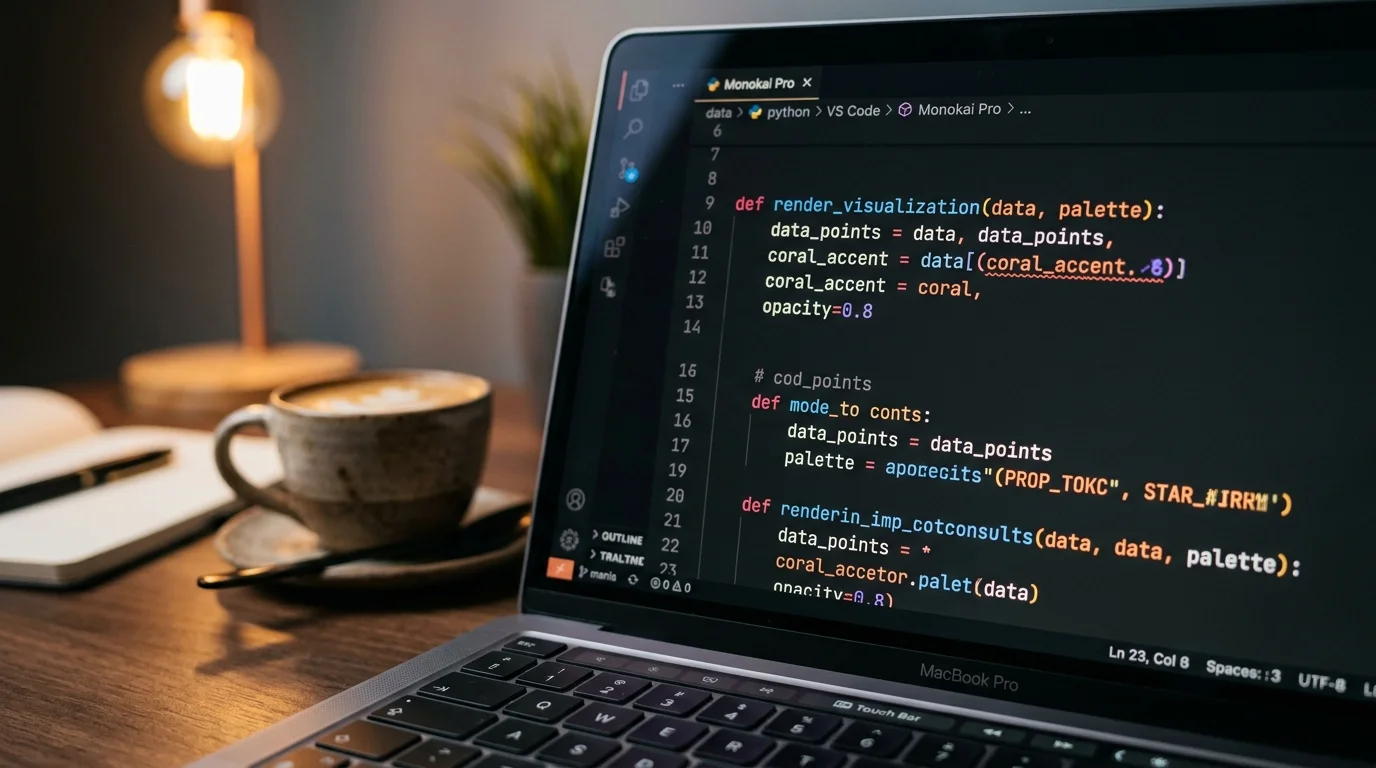


Ready to read your own AI documents?
Open ChatGPT, Claude, Gemini, or any markdown file in the reader built for the way models write.
- ✓Renders code, math & Mermaid out of the box
- ✓Works offline once you've opened a doc
- ✓Free forever for personal reading